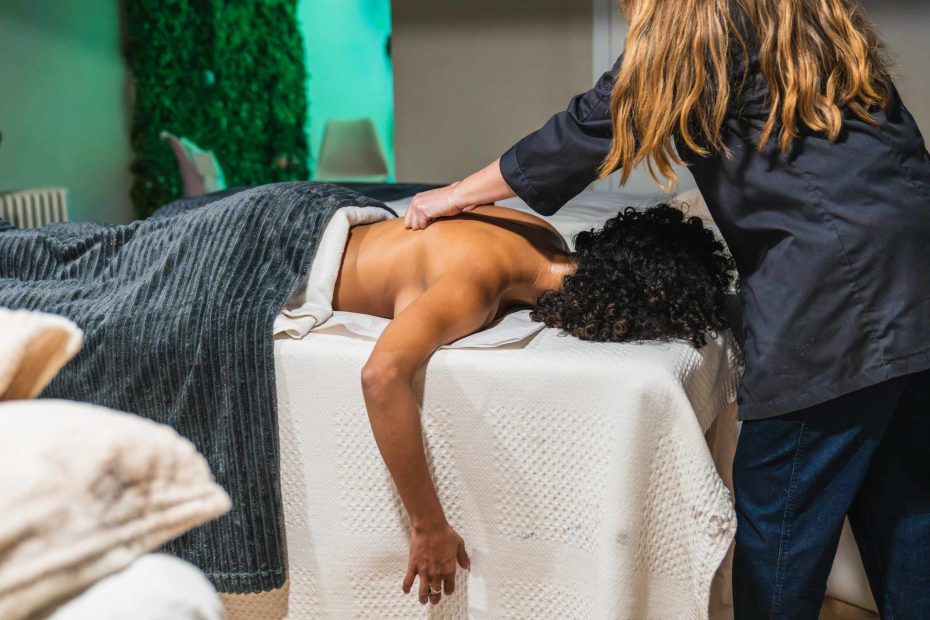
Your first step should actually be a question. And not a clinical interrogation, nor a formal intake questionnaire, but a simple check on the comfort of the person being massaged, and their wishes for what is comfortable and uncomfortable. It is much easier to make a safe massage when you do not expect the recipient to endure discomfort in silence. The questions that work best are straightforward: Where do you like to be touched? Where do you not? Do you like it harder or softer? Are you warm or are you cold? What position is most comfortable?
If someone complains that the massage feels wrong or hurts or isn’t comfortable, first check where they are placed. Is their arm twisted at an odd angle? Is their neck unsupported? A different position can make all the difference and will make the very first contact feel so much better. A rolled up pillow or towel can be extremely helpful.
Also tell the person what you do, and what you do not do. In TouchHarmony we do not do bodywork for treating injury or illness. We do not work to reduce swelling, or work out spasms, or diagnose what causes tension. TouchHarmony massage is about being safe, gentle, relaxing, and nurturing. If someone says, “The pain in my shoulder goes right down to my hand,” then that is an area not to massage. That is not a judgment, just a safety rule. Don’t massage the area.
Discuss pressure as well. “Firm” or “hard” mean different things to different people. Ask them to give pressure a 1 to 10 rating, 1 for barely noticeable, 10 for too much, and you would like them to tell you when the pressure moves out of a comfortable range. This helps make the feedback a matter of fact, not personal, and it gives you the chance to make adjustments before the pressure gets too strong.
Ask the question regularly, “Is this pressure OK?” “Should I put less oil?” “Is this position comfortable?”, but not so often that you interrupt the whole thing. If the person tenses up, or flinches away, or stops breathing, or stops answering you properly at all, it’s time to stop, lower the pressure, check in and wait. Remember, people are often hesitant to speak up, or don’t want to feel fussy or demanding. So read their reactions carefully and adjust accordingly.
Here’s one little thing that can really help get the feedback going. Practice the same short gliding stroke three times while asking for one piece of feedback after each pass. You do not need to ask for compliments or to be nice about it. You just need practice adjusting to feedback, adjusting one element at a time, and not changing everything in your massage all at once. It also helps to ask at the end: “What would you do differently with that last massage?” “Where is it okay to leave alone next time?” Then clean up the space, put away the towels, and make some notes for next time. The questions will make you more confident, more comfortable, and more aware of what is happening and why. The better you are at getting good feedback from someone, the easier the massage will become.