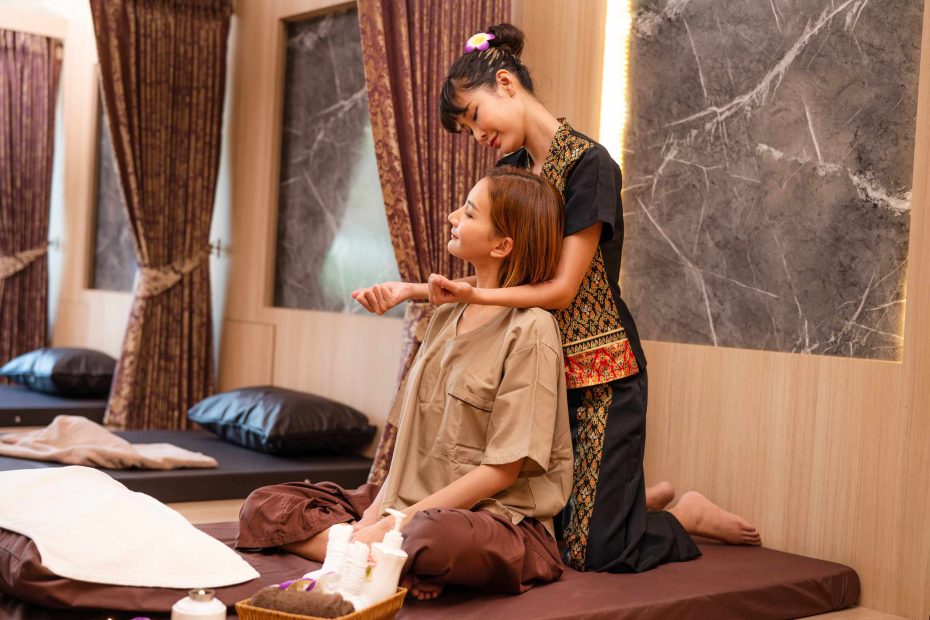
The room is part of the massage before your hands touch. An uncomfortable surface, slipping towel, lotion on the opposite side of the room, a cold recipient, etc., can make even good palms touch feel disjointed. Preparation doesn’t need to be elaborate. It needs to allow you to focus on your pressure, rhythm and feedback, not on your environment and on the recipient every 5 mins or so.
Towels and comfortable surface should be the first thing you check and prepare. Of course, having an actual massage table can make some things easier, but it is not required for learning basic relaxation touch. You can practice using a firm mat, or a bed, or even a soft padded floor area. Just make sure you have a comfortable surface for the recipient, and they can easily and safely get on/off or shift their position if needed, throughout your practice.
Prepare your towels before starting. Think about your practice, where you want your recipient to be resting on. You should have a towel (or two, if necessary) underneath them, another one nearby to catch excess oil or lotion when you are applying it. One more should be available if they feel cold, or you would like to have some extra support.
You can use any soft pillows or folded blankets you have to help the recipient settle into a comfortable position. Without it, the recipient may be holding tension in their neck, knees, shoulders, or lower back, and that may make your touch feel off, even with your best efforts. Use pillows and blankets to make them more comfortable. A pillow beneath their knees, a folded towel or a small pillow under their ankles can be a great way to start, especially if the recipient feels relaxed with their feet elevated. The recipient will usually benefit most from a pillow under their knees, a pillow under their lower arms (if they are in a prone position), a soft towel or a pillow to wrap around them to have a pillow at their chest. The goal here is not to be fancy, or like a professional. The goal here is just to make sure they don’t feel uncomfortable with an awkward position while you are learning basic relaxation touch.
Regarding oils and lotions, be sparing at first. Too little and your palm won’t be able to glide smoothly. Too much and your hand starts to slip before you can actually control it. Always put a small amount of oil or lotion in your palm first, warm it between your palms and put it on the skin. Only add a small more if you feel that you need it. Sometimes beginners put the oil right on the skin of the recipient, and then they have a difficult time starting with a good palm contact and keeping it. Starting slow is best especially when practicing palm touch. This gives you control of where you place your hand on their body and gives them time to get comfortable with a new touch.
Room temperature is often overlooked. The recipient is resting (so they can’t warm up like you can by moving your arms and body around while you are learning), they can be covered partially with towels, and are most likely more sensitive to the environment than you. Take a moment before you start your practice. Are your hands cool? Do you feel any drafts or cold areas in your practice area? Does a towel feel uncomfortable and cold for them? Would one extra towel or a pillow be warmer and more comfortable for them? Make a quick note of the room temperature and check in on it during your practice to ensure your recipient is not cold before starting your practice.
Prepare a towel, a small amount of massage oil or massage lotion, hand sanitizer or have water and soap nearby for washing your hands between practice sessions. Also, prepare your notebook, your timer and your water. Having these within reach will mean you don’t need to break off your practice or make your recipient wait. This is useful especially if you are in the stage of learning session flow or learning how you want to structure each practice. A less interruption practice will help you remember the steps you are learning and practicing: preparation, inquiry, palm touch, pressure inquiry, continued practice, end.
Finally, a well-prepared session and room means your hands have the best possible practice setting. You can notice your relaxation while you are practicing, if your hands feel comfortable with your current posture and pressure, and if the recipient feels like the pressure is just what they need. After you finish your practice, you should again take time to clean up. You can remove all extra oil or lotions and wipe your hands. Also, if you need to, you can move the towels, clean the area and place towels or blankets you had on the floor away. You may need to jot a note if you want to record how your practice went before you finish completely. Proper preparation is as important for massage as proper touch. You prepare a space for safe touch to take place.